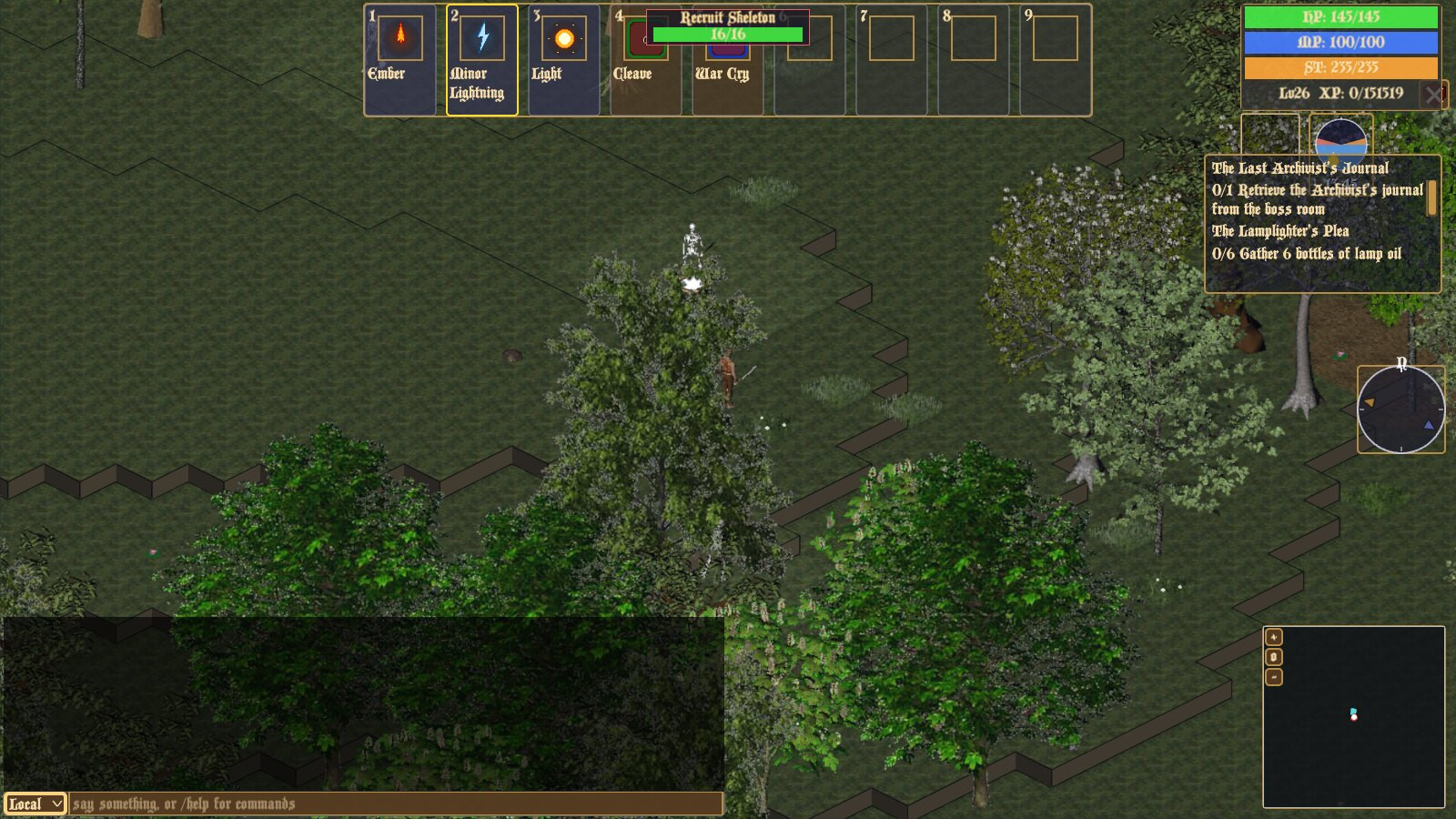
Nilorea is finally playable. The free MMORPG my friends and I started years ago, and never finished, is now online. You can create a character and play it in your browser or with the desktop client.
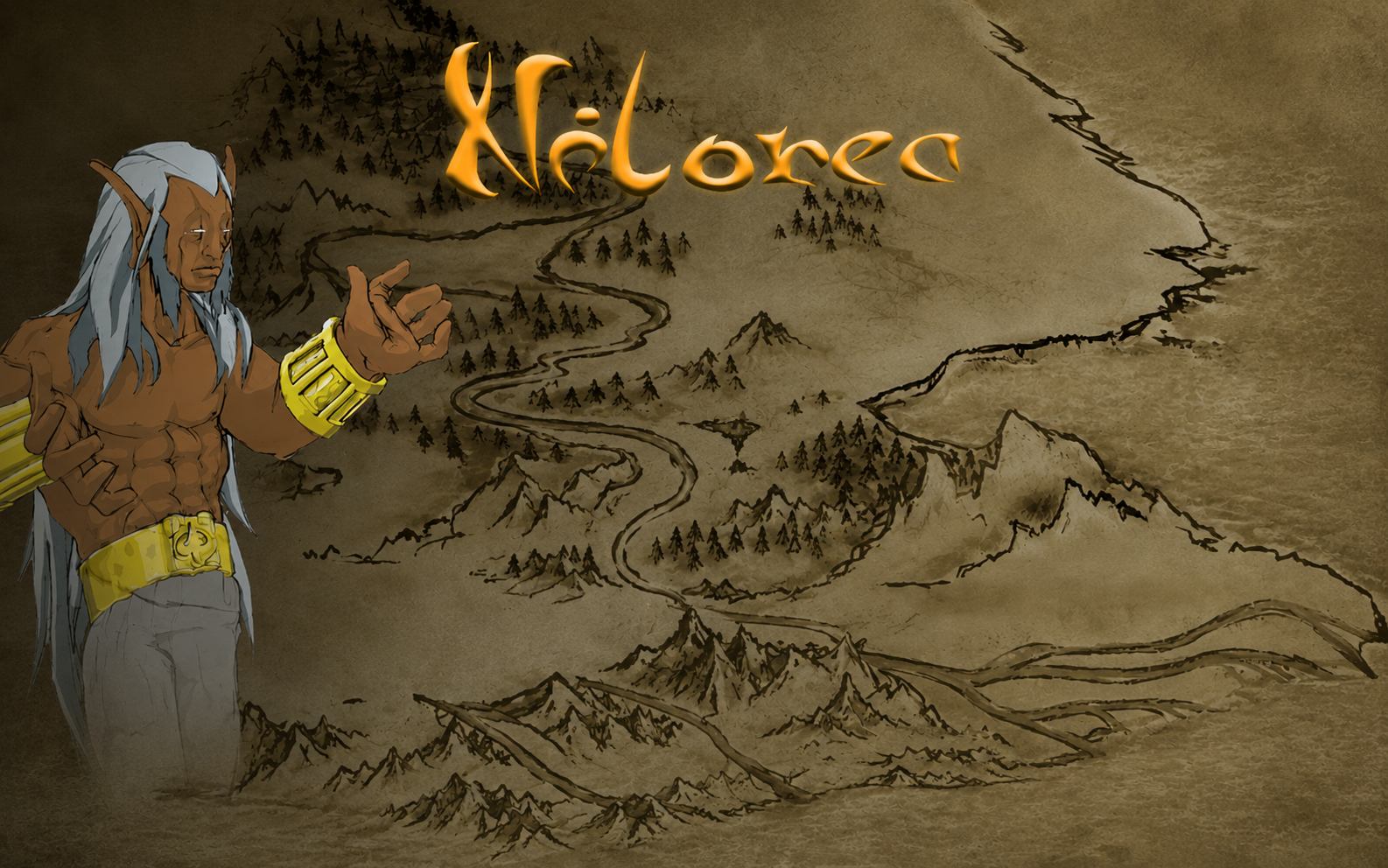
A game that never let go
Some projects stay with you long after you stop working on them. For me, Nilorea is one of those.
It started as a group of friends with a big idea: build a free MMORPG, our own world, made together. We drew maps, wrote lore, argued about classes and spells, and wrote a lot of code late into the night. Then life happened, as it does. Jobs, moves, families. The project slowed down, then stopped, and Nilorea stayed unfinished.
But it never really left. Every so often I would think about that world we had imagined, and about how close we had come.
Digging up the pieces
Before I could finish Nilorea, I had to find it. Nothing was in one place anymore.
So I went digging:
- My own hard drives, old disks and long-forgotten folders included.
- The Internet Archive, which had kept snapshots of pages we had long lost.
- Friends' backups, from the people who had worked on the project with me and still had a copy somewhere.
Piece by piece, things came back: fragments of code, background stories and lore, sound effects, and the music that gave the world its mood. Some of it was complete. Some of it was half-written, or written three different ways by three different people. Each piece was a small memory of the time we spent building it.
A little help from Engvee
Some of the art we needed was missing or had never been made. To fill those gaps, I used free sprites by Engvee on itch.io. They fit the world beautifully. Thank you very much, Engvee, for sharing your work so generously.
Putting it all back together
Once everything was gathered and sorted, the real work started. I had a pile of fragments and a clear memory of what we had wanted Nilorea to be. What I didn't have back then was the time, or a team, to finish it.
This time I had Claude. Over some pretty long sessions, we went through the old code, the lore and the assets, and pieced together everything we had planned. Old systems were repaired or rewritten. Stories that only existed as notes found their place in the game. Sounds and music went back where they belonged.
It felt less like starting over and more like finishing a sentence we had left half-said years ago. That is something I could not have done alone in the time I have today.
Play Nilorea today
Nilorea is open. You can:
- Create your own player.
- Play online with the desktop client, or directly in your browser, no install needed.
Everything you need is on the apps page nilorea.net/apps/nilorea.
To the old team, and to new players
To everyone who worked on Nilorea with me back then: this is your game too. Your code, your stories, your sounds and your music are all in there. I hope it feels a bit like coming home.
And to everyone discovering it for the first time: welcome to Nilorea. It took us a long time to get here. Come and see the world we dreamed up.